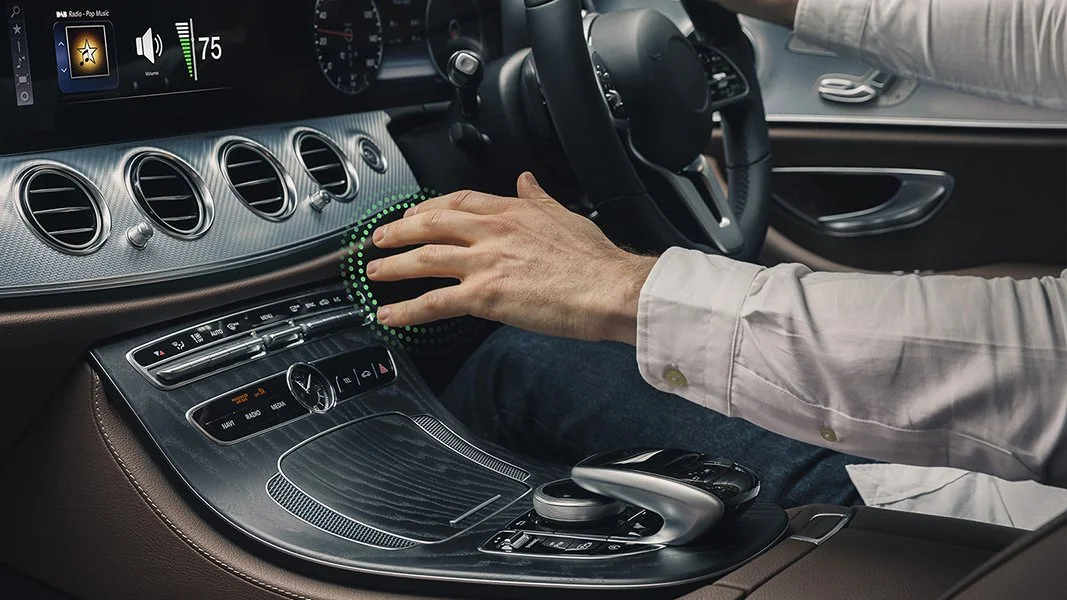
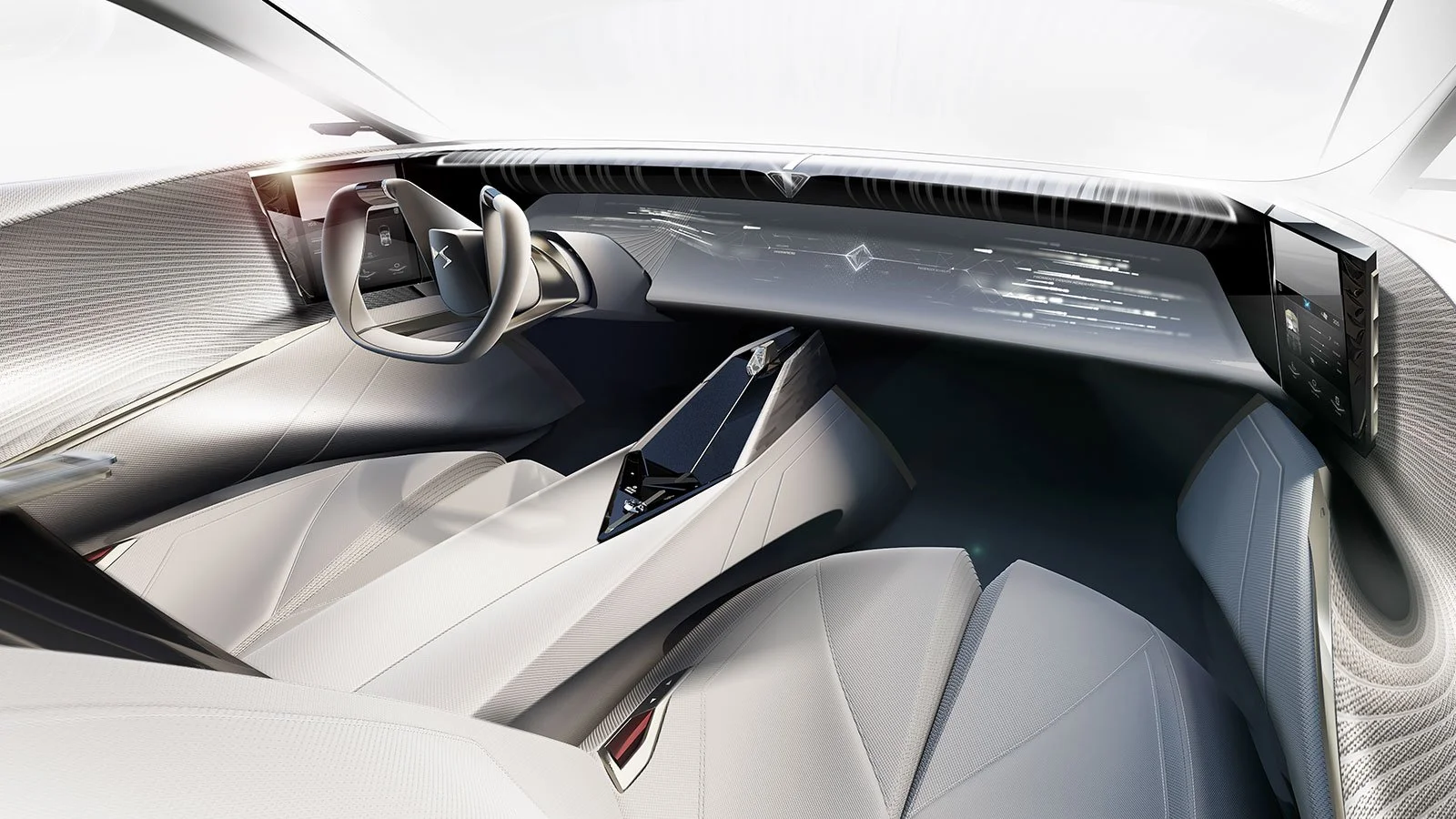
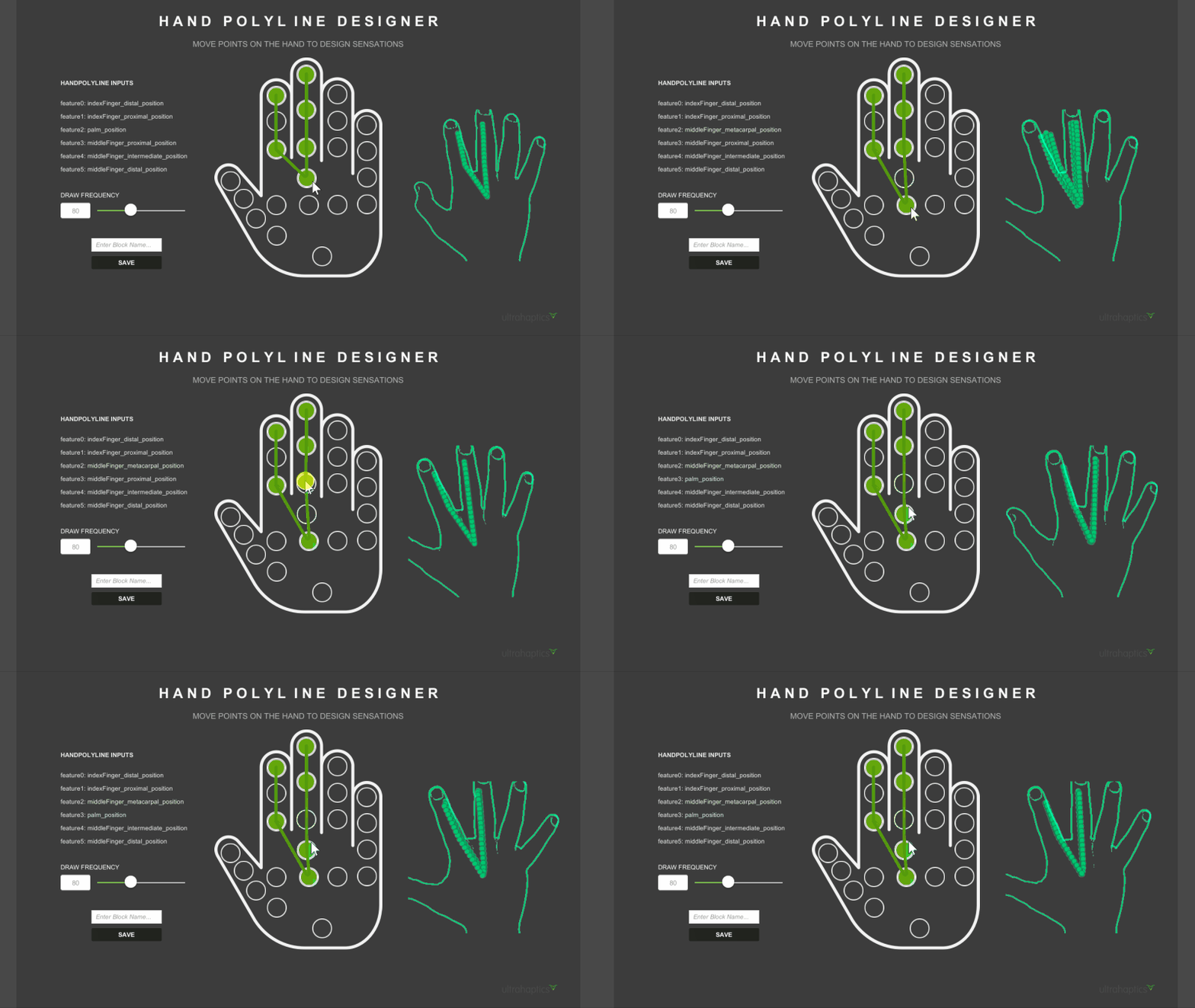
2020-23 | Design Director | Ultraleap (Leap Motion)Ultraleap technology allowed users to control devices with gestures and feel haptics, even in mid-air. Investigating its potential to improve driver safety, my team and I prototyped and researched how the tech could form a new kind of gestural, in-car interface.
Background
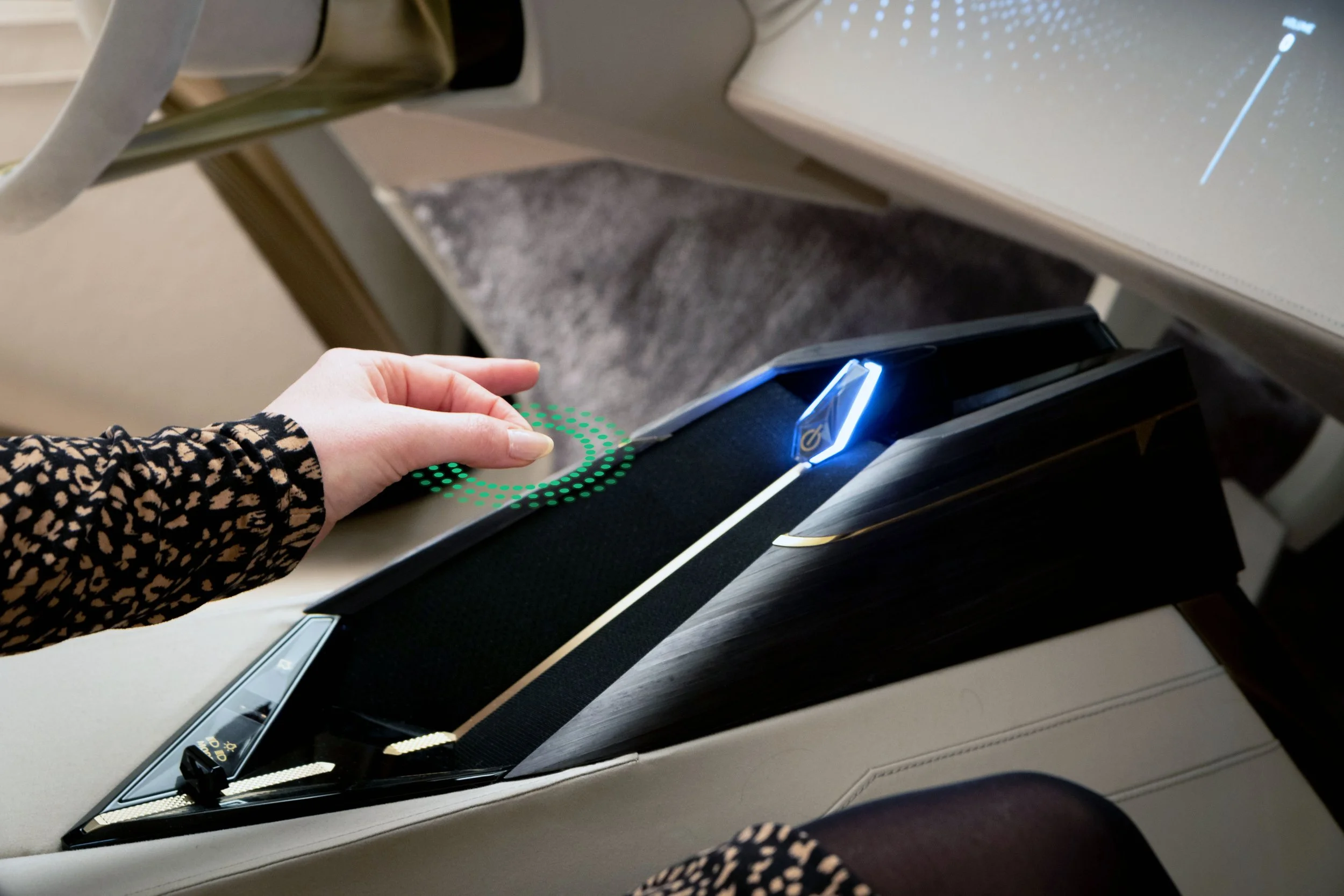
My work at Ultraleap involved researching multiple use cases for the company’s technologies, but the most complex involved designing gestural interfaces for use whilst driving. Whilst gesture control in cars has been done before, it’s not taken off.
The hypothesis was that adding mid-air haptics could provide additional feedback that users need, and potentially allow for faster, more confident gesture control with far greater distraction. My work involved managing user researchers and designers on this project, as well as researchers from a more academic background, including acting as a PhD supervisor.
Work & Outcomes
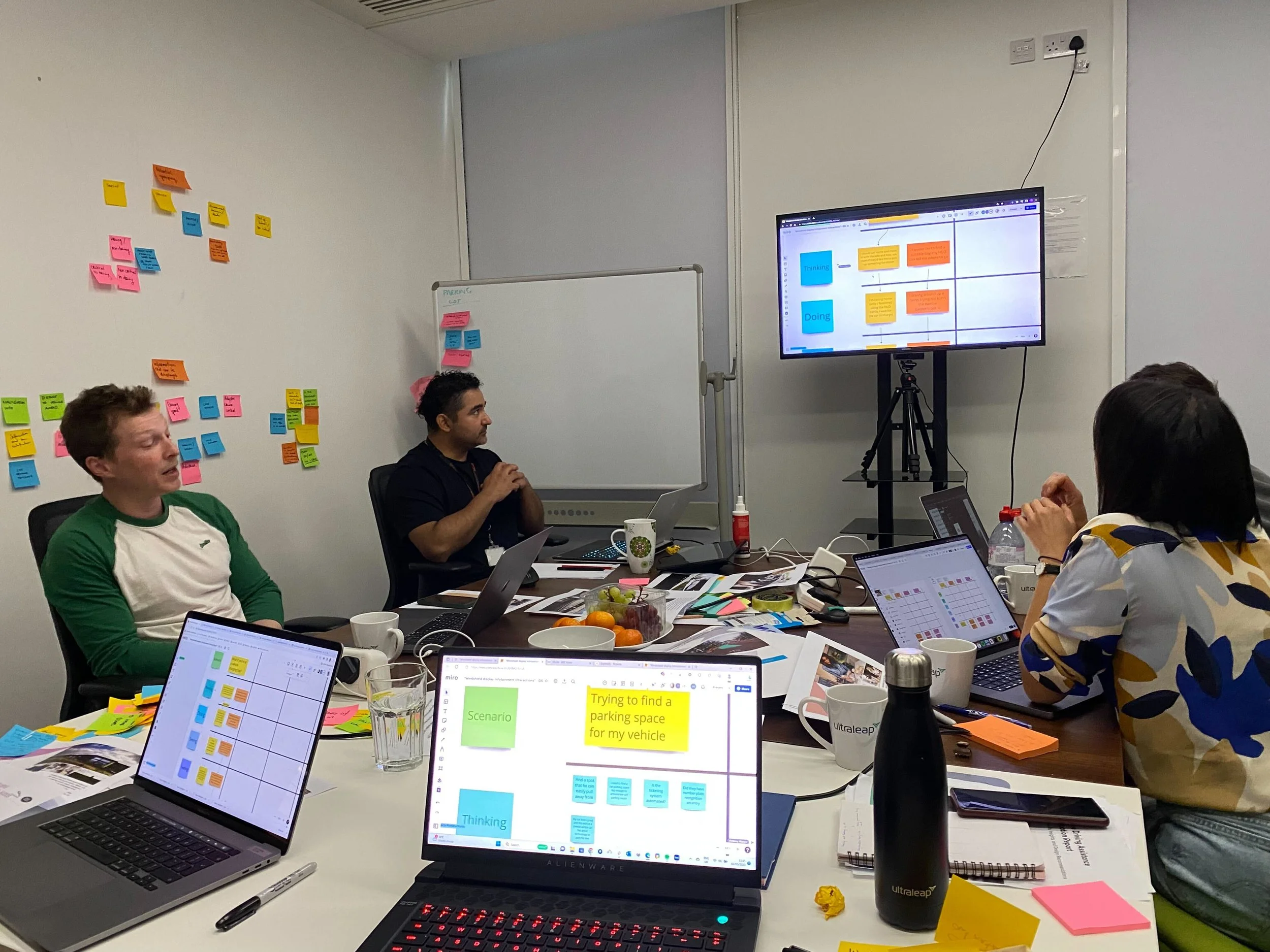
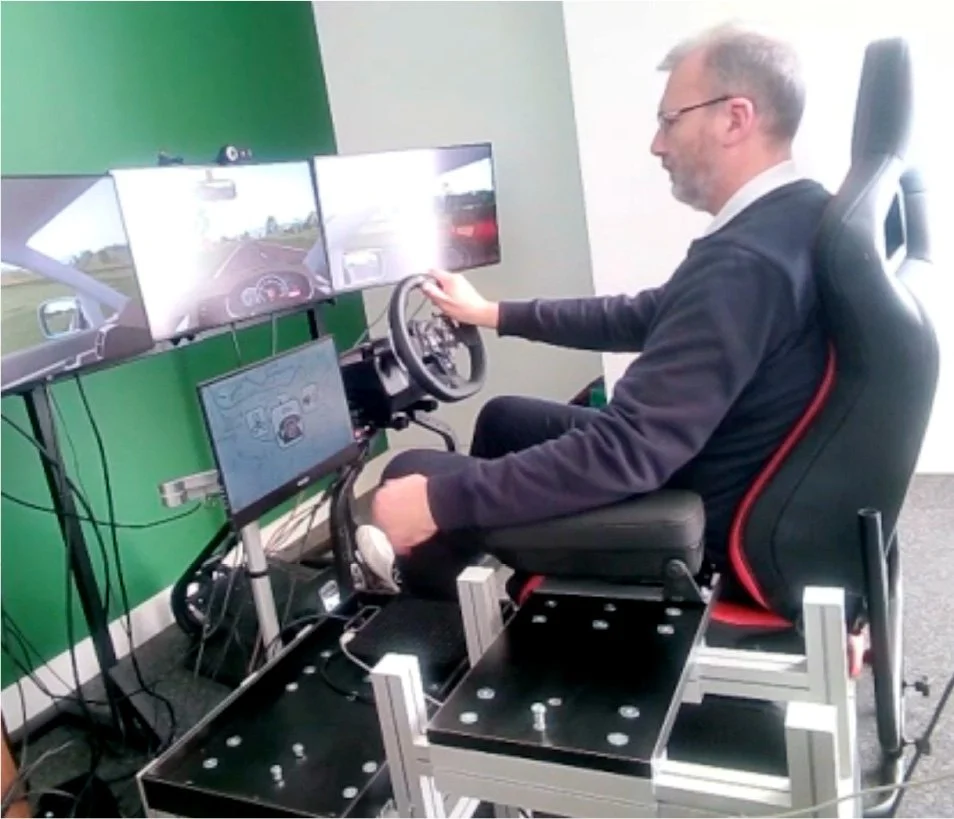
Market research and driver discovery work ran in parallel to in-depth academic research, looking at optimising mid-air haptic sensations for in-car use. For example, our studies investigated how well users could differentiate between different haptic sensations, which hand gestures worked for which controls and how to tie gesture, haptic and display interface elements together into a cohesive experience. In time we built rigs to simulate a driving experience more completely, studying ergonomic setup and the impact of the new interface on driver distraction.
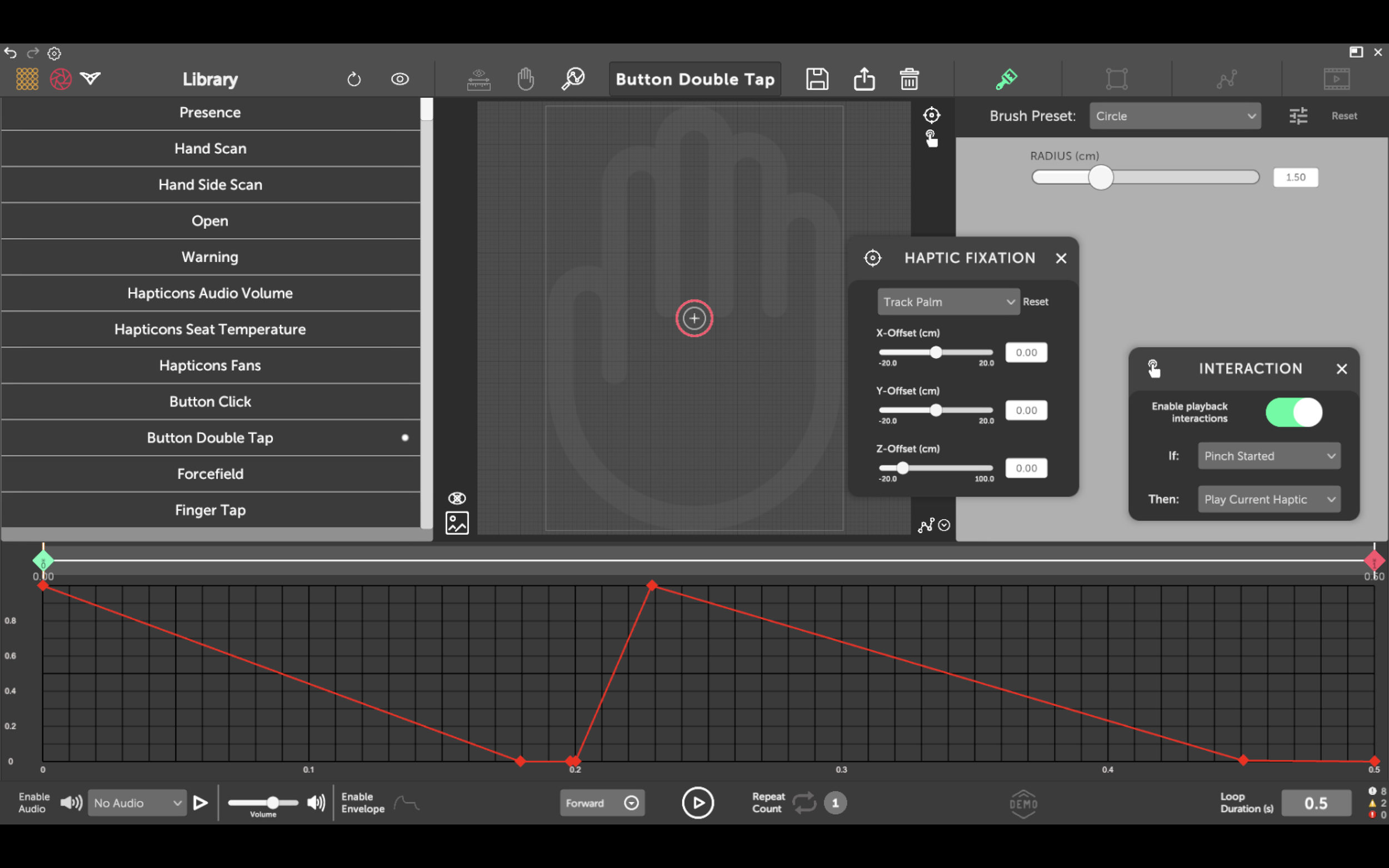
Alongside this we also developed a tool for creating and modifying mid-air haptic sensations quickly, along with design guidelines to recommend pairings of hand gestures and haptic animations.